148 m.o.h
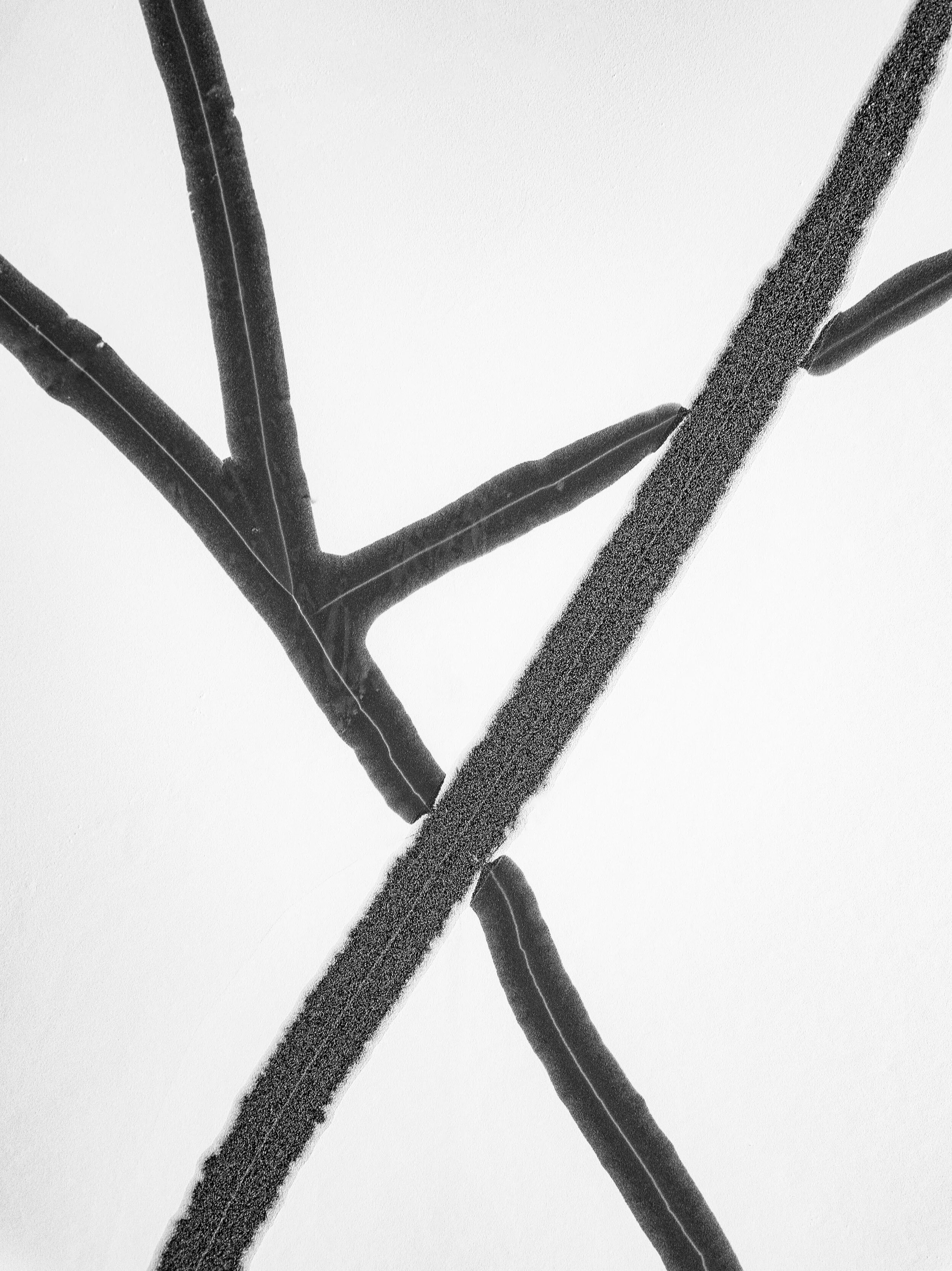
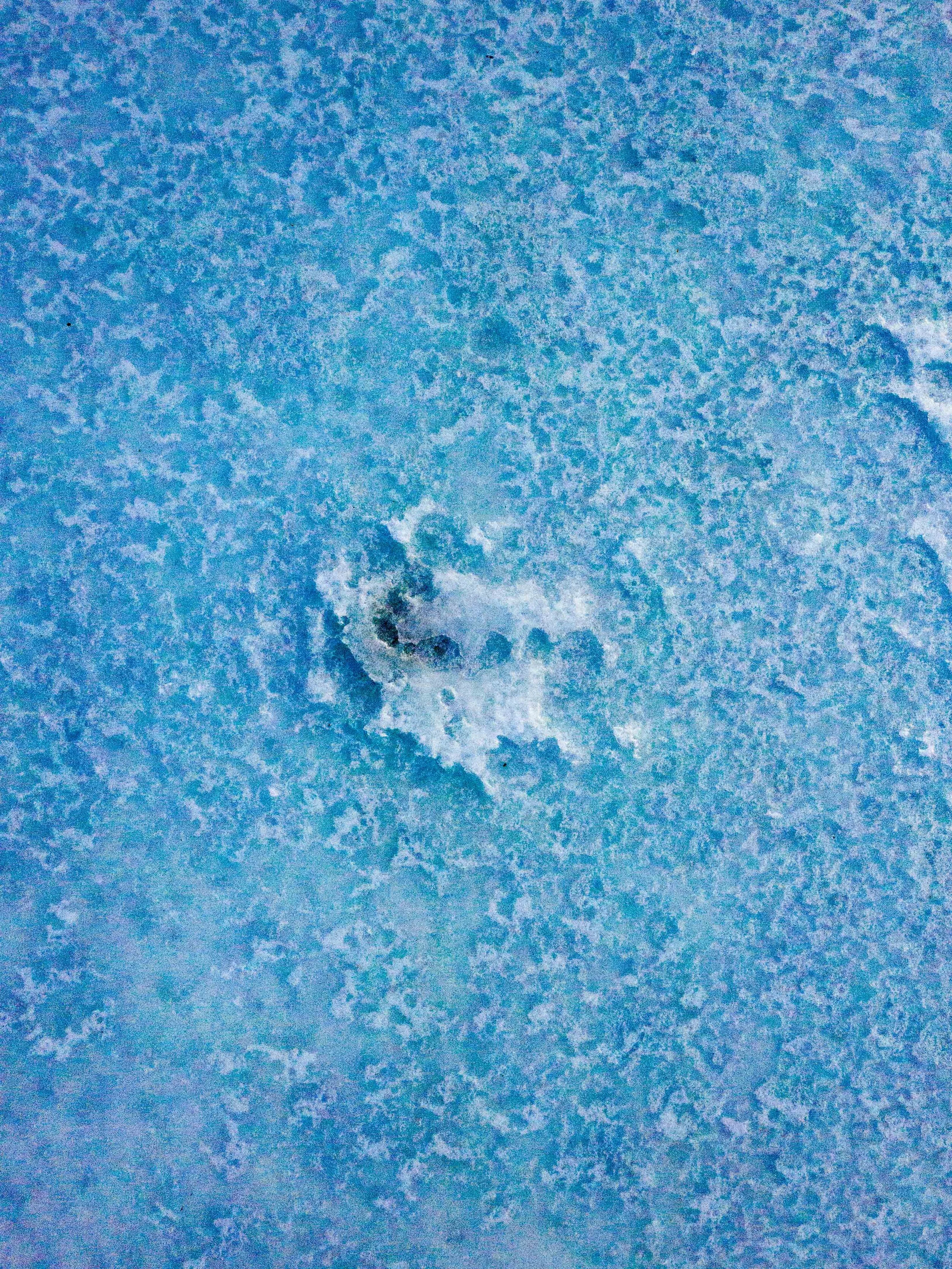
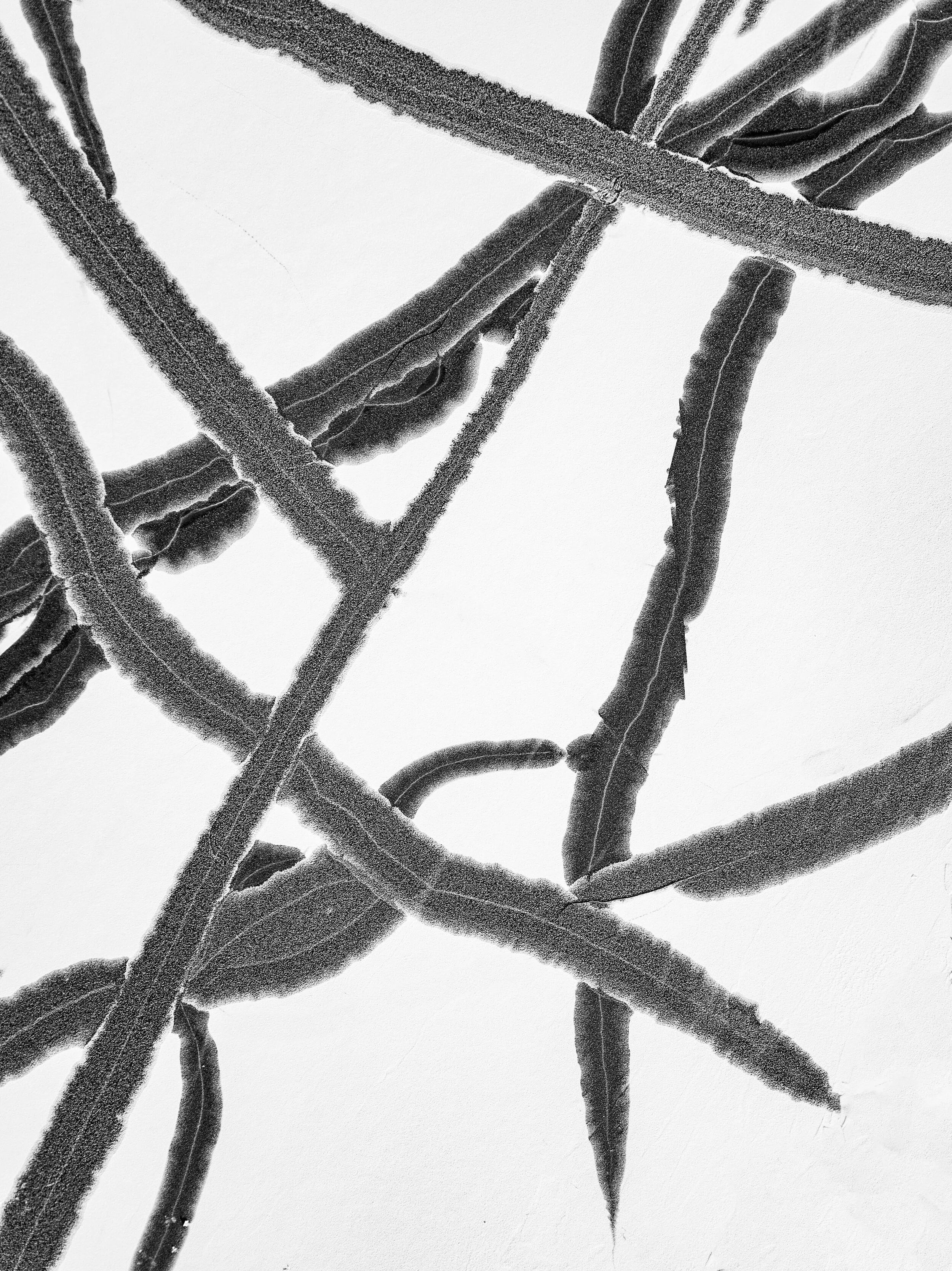
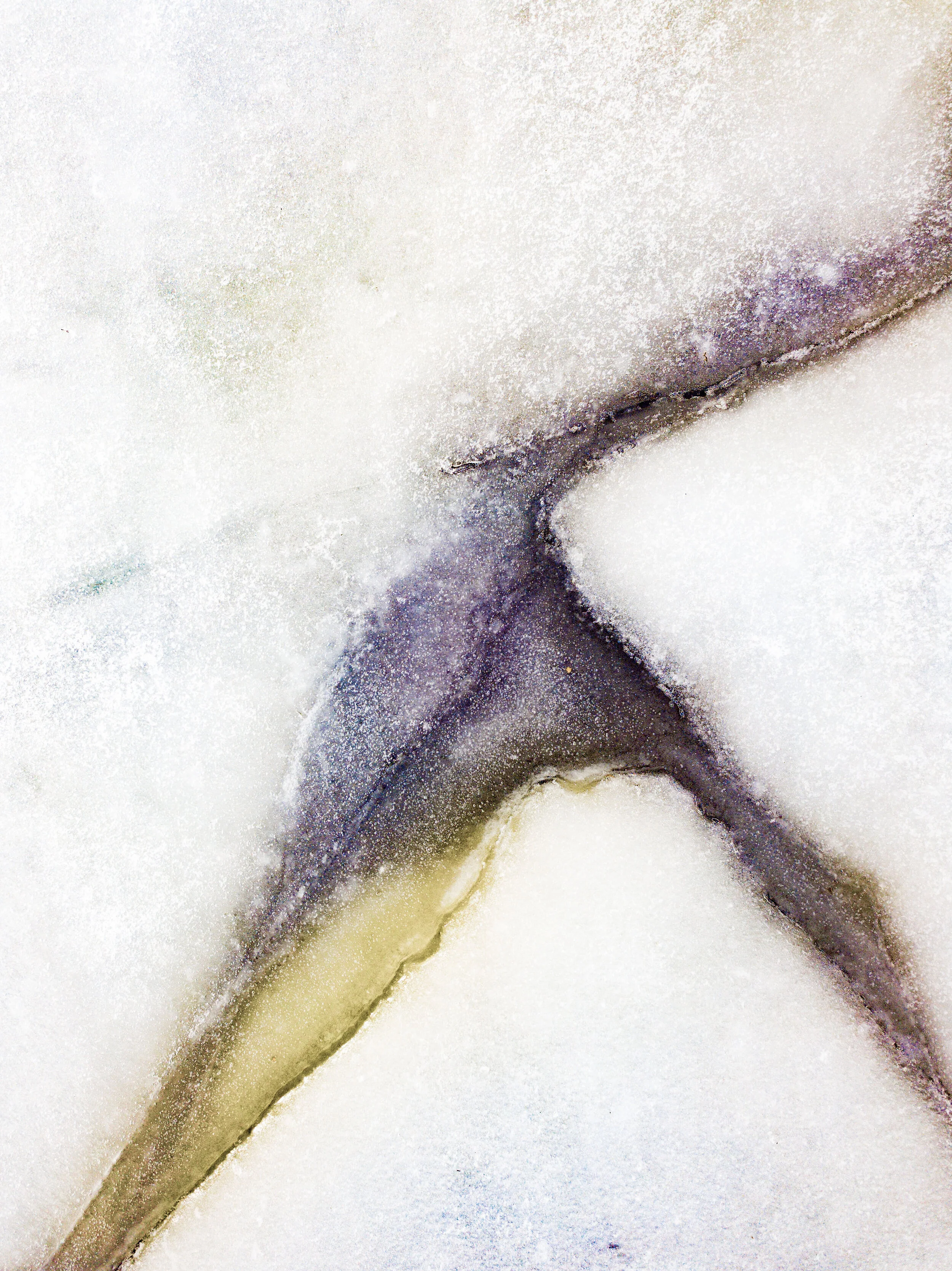
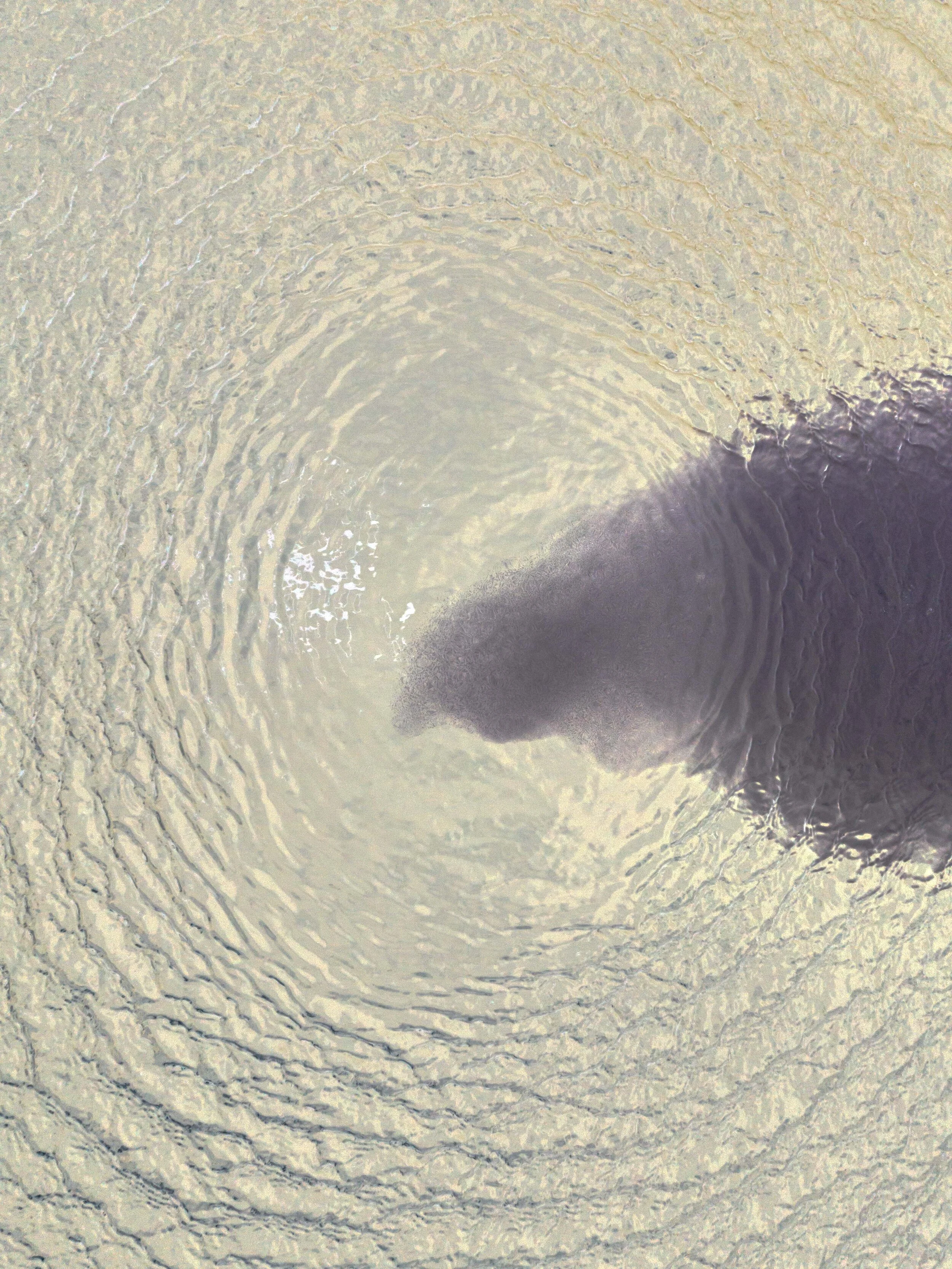
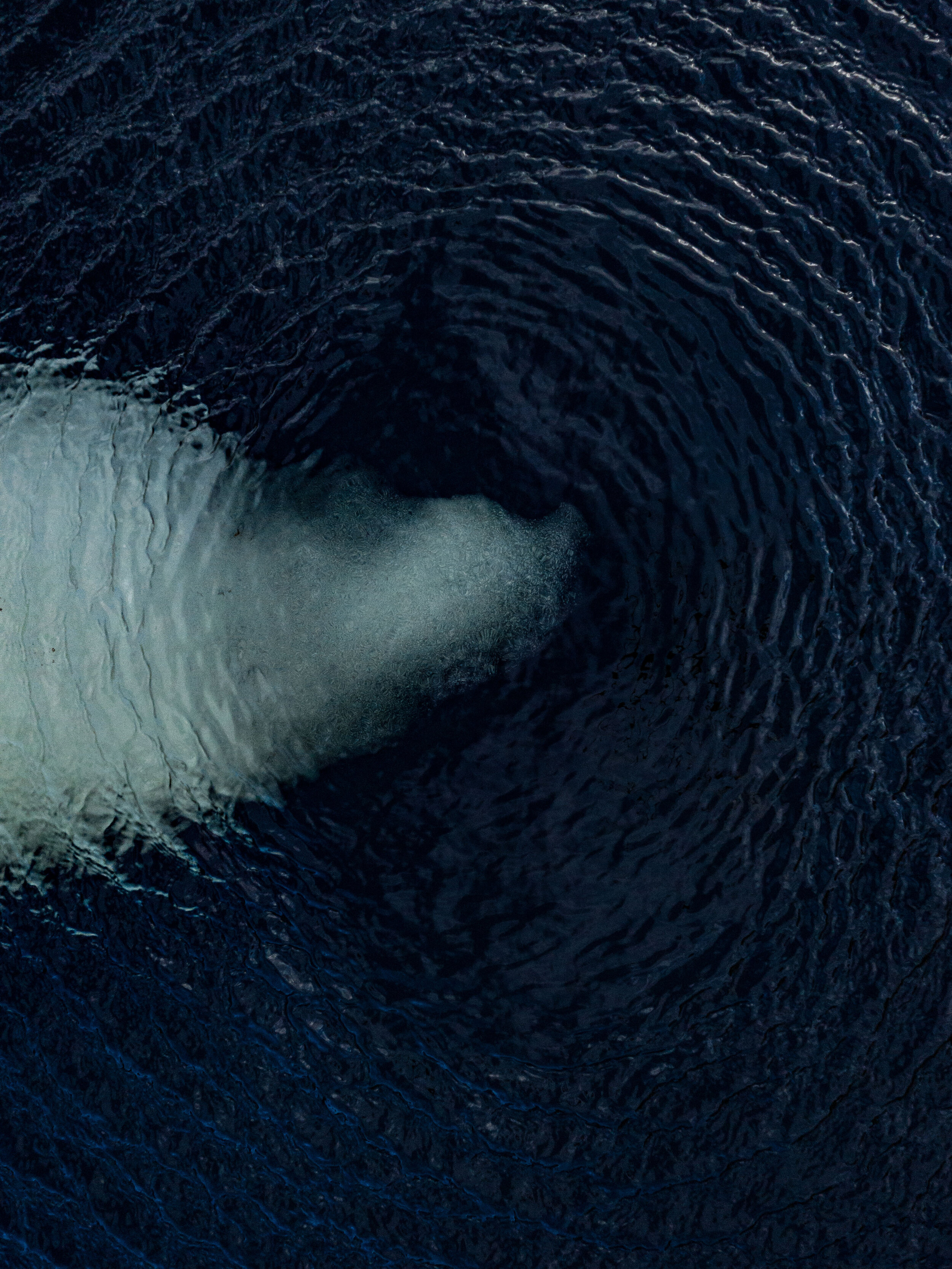
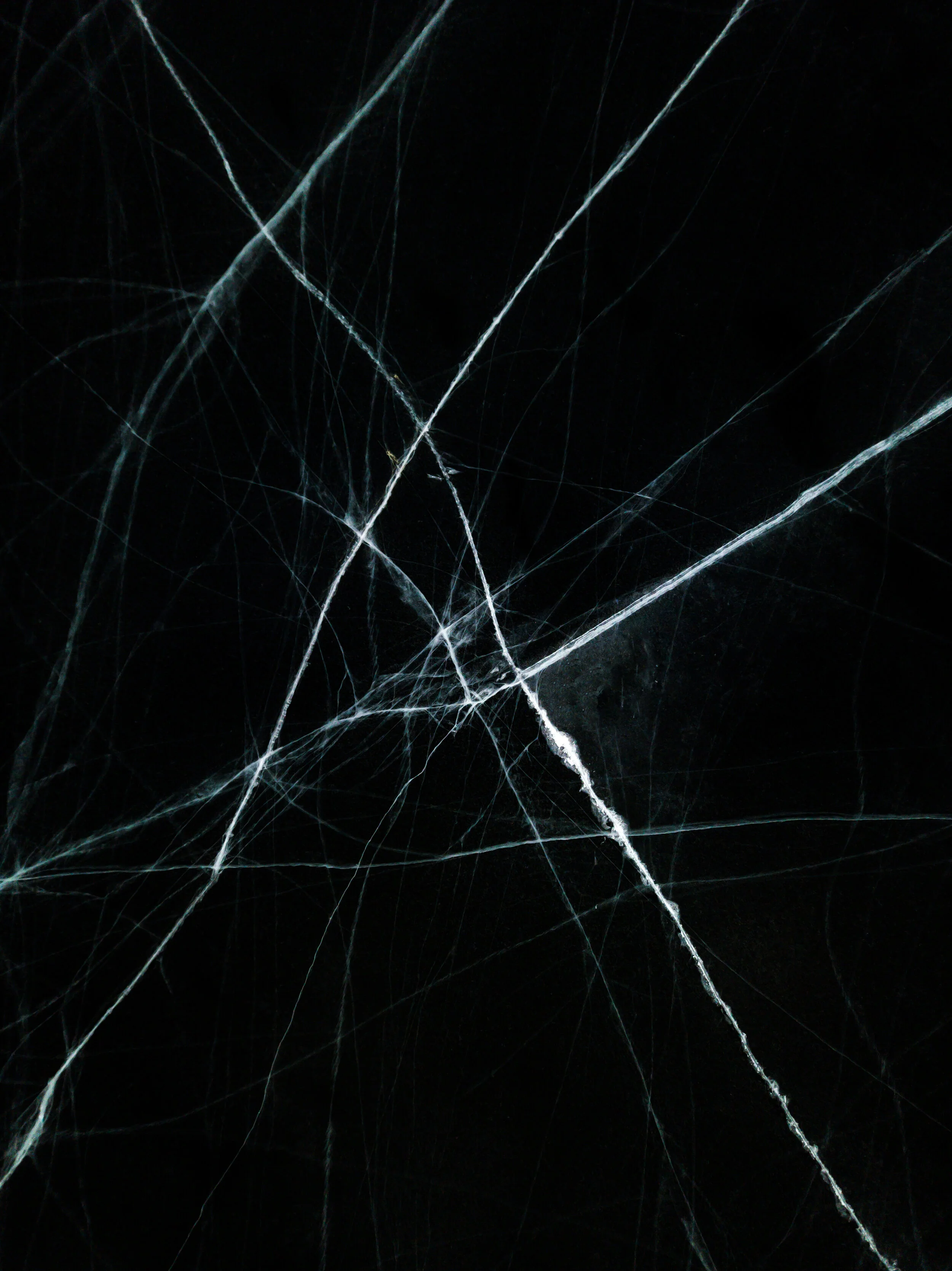
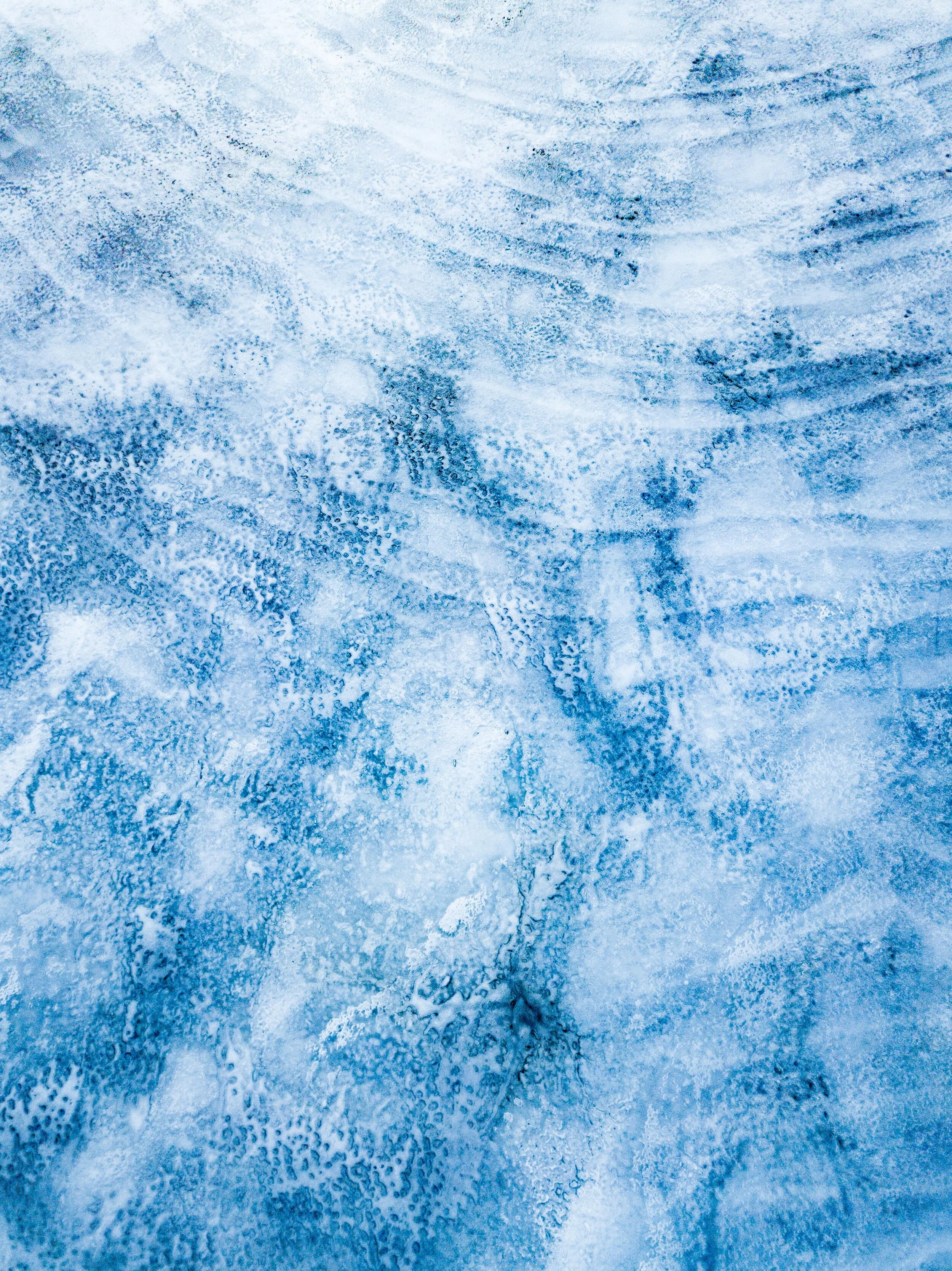
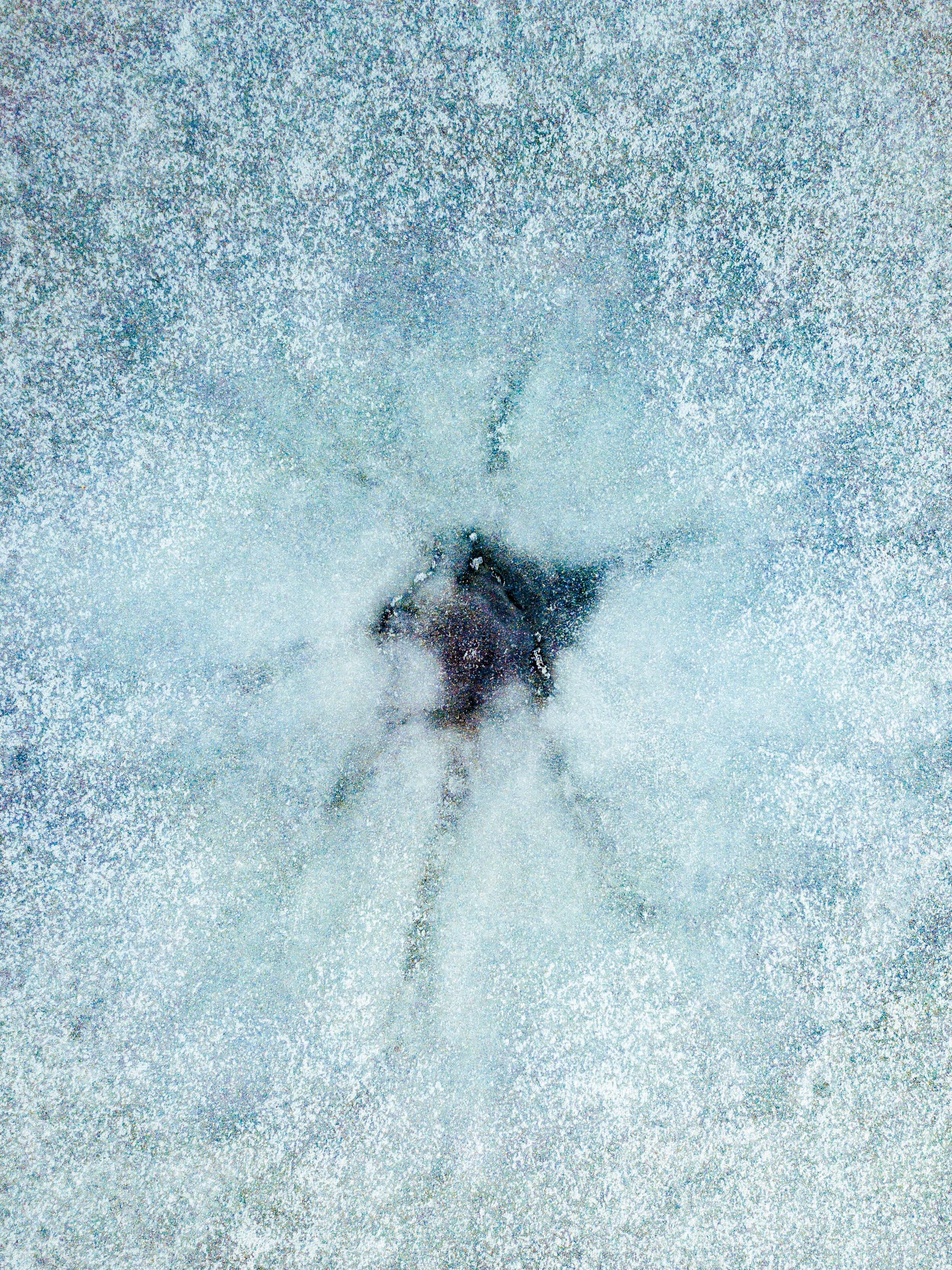
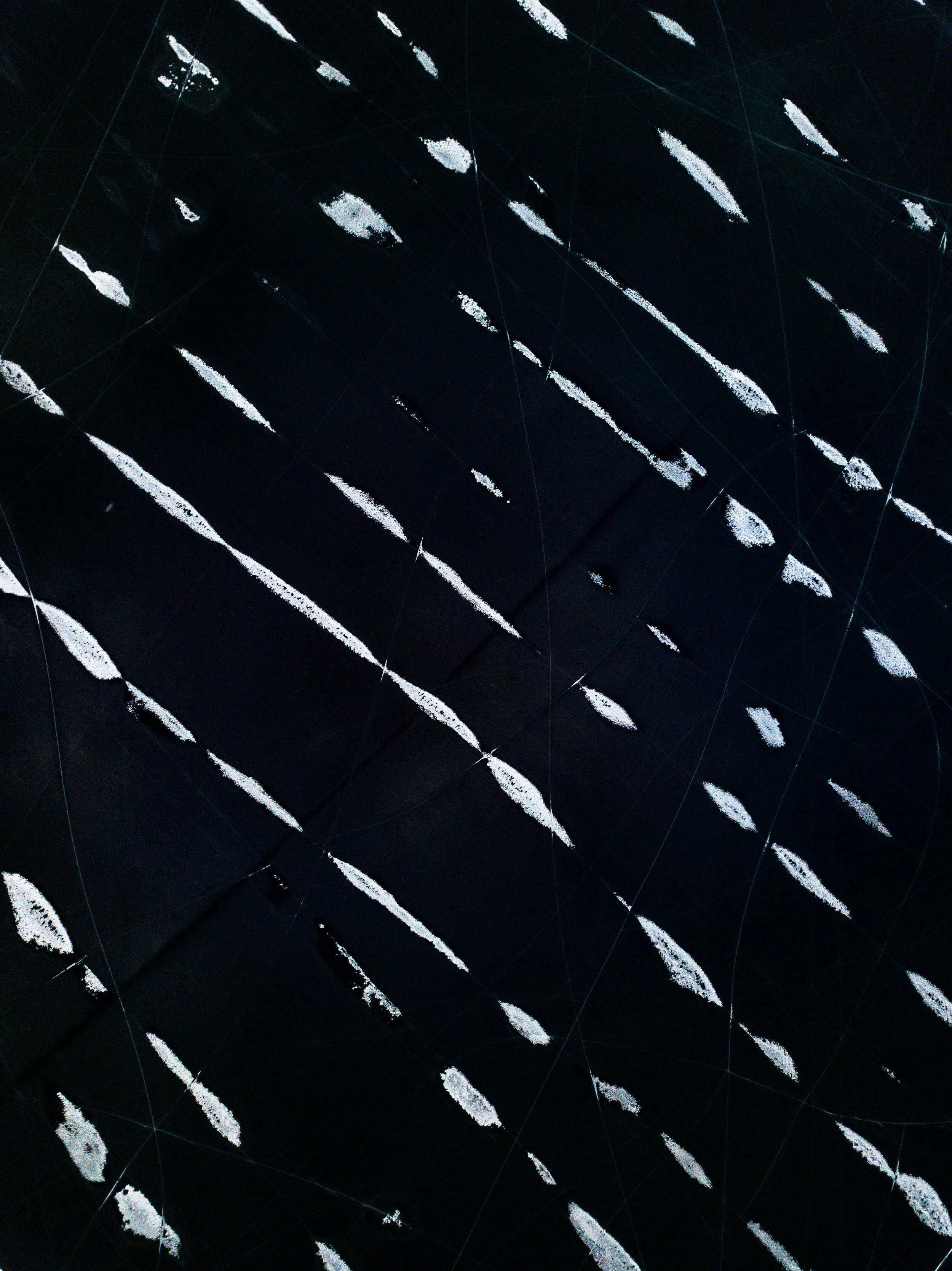
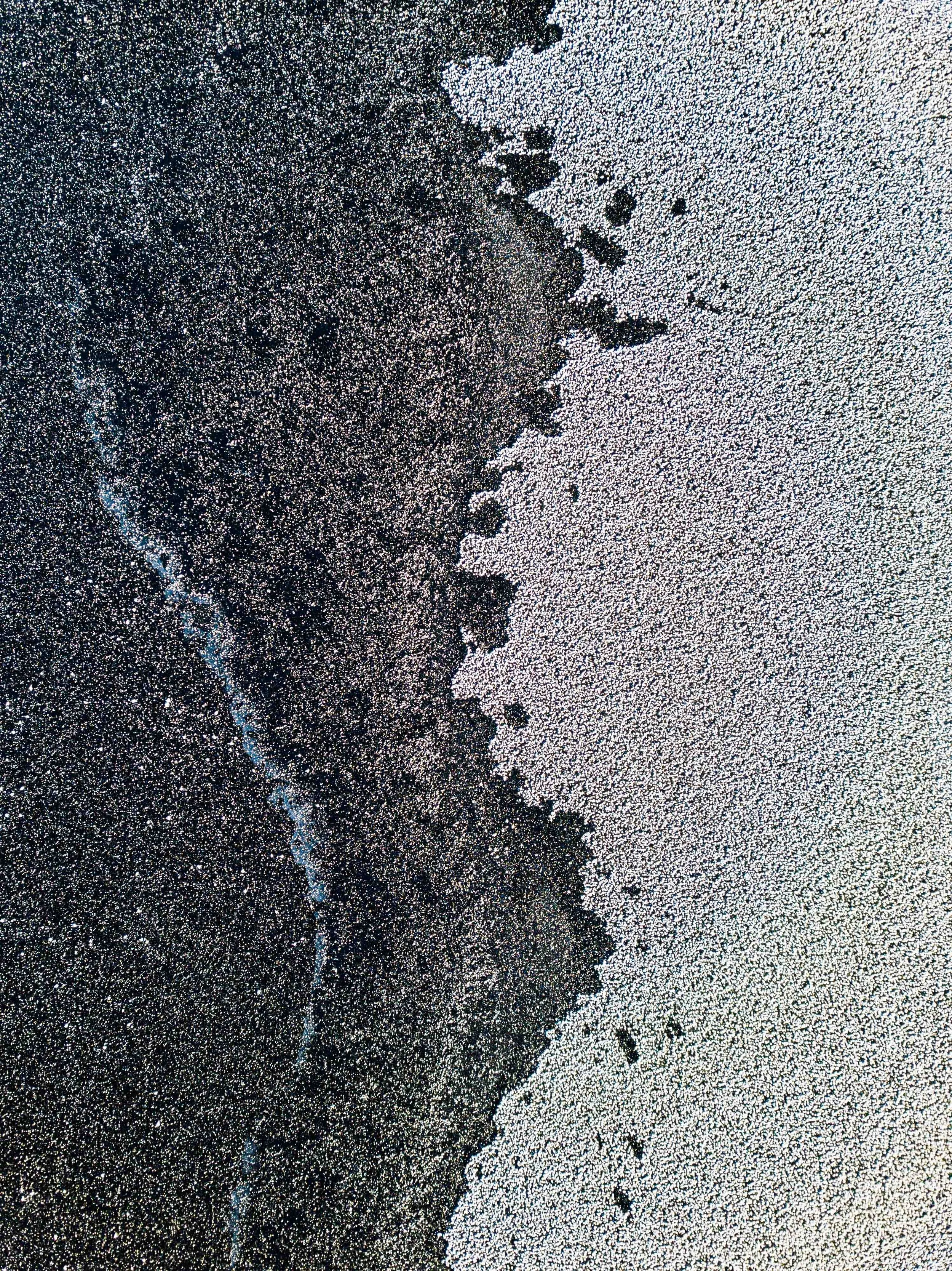
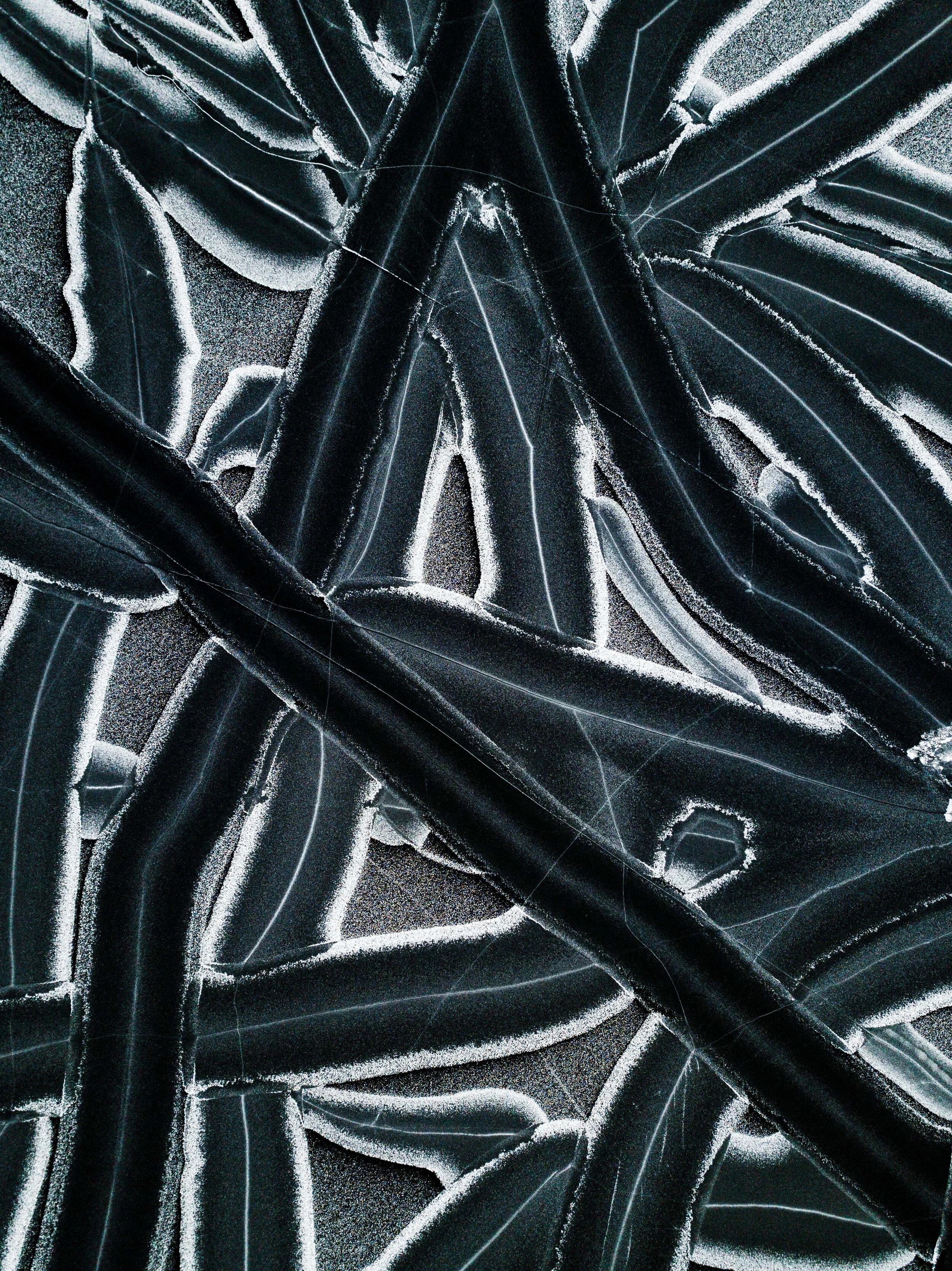
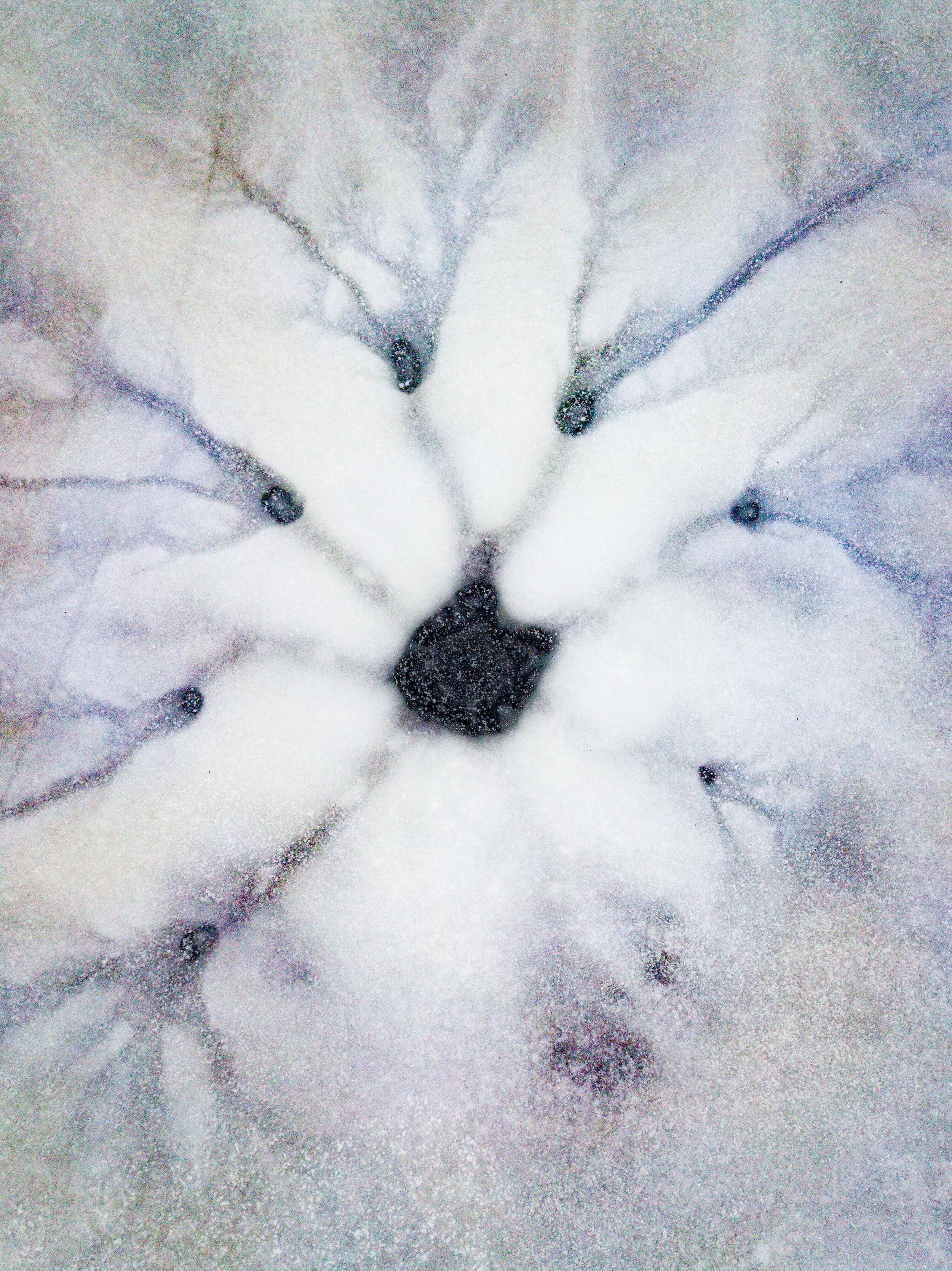
148 m.o.h" (m.a.s.l) is an abstract portrait of lake Jonsvatnet outside Trondheim.
Jonsvatnet sits a short drive from the city and serves as Trondheim's primary water supply. It is a well-known hiking destination year-round, and most people who live in the area have some relationship with it. But familiarity and seeing are not the same thing.
After a visit to the lake on a cold winter's day in 2019, a drone opened up an entirely different world. Patterns and traces in the ice revealed themselves only from above, resembling at first the tracks of a snow plow cutting across the thick frozen surface. But the patterns were too irregular, too indifferent to human logic, to have been made by any machine.
Two days later they were gone, replaced by something else entirely. Ice plates had pressed and collided into each other, throwing up a dramatic landscape across the surface. Each return visit through that winter brought a different version of the lake.
None of it was visible from the ground. The skaters, the skiers, the walkers crossing the ice had no idea what surrounded them.
This is where photography stops being a recording device and becomes something closer to a painting tool. The drone gave access to a vantage point, but what mattered was what could be made from it.
Abstract expressionism has long held that a canvas is not a reproduction of the world but a space where something felt can be given form. Working from above Jonsvatnet, the camera became that kind of instrument. The ice was there. What these images reach for is not what was there, but what was seen.