Regulated
In Norway, water is big business. In a country known for its fjords and waterfalls, 70% of Norway's lakes and watercourses are regulated. Not for protection, but for production. Hydropower is considered one of the most renewable energy sources available, and Norway runs on hydropower.
What kind of imprint does this energy leave on the Norwegian landscape?
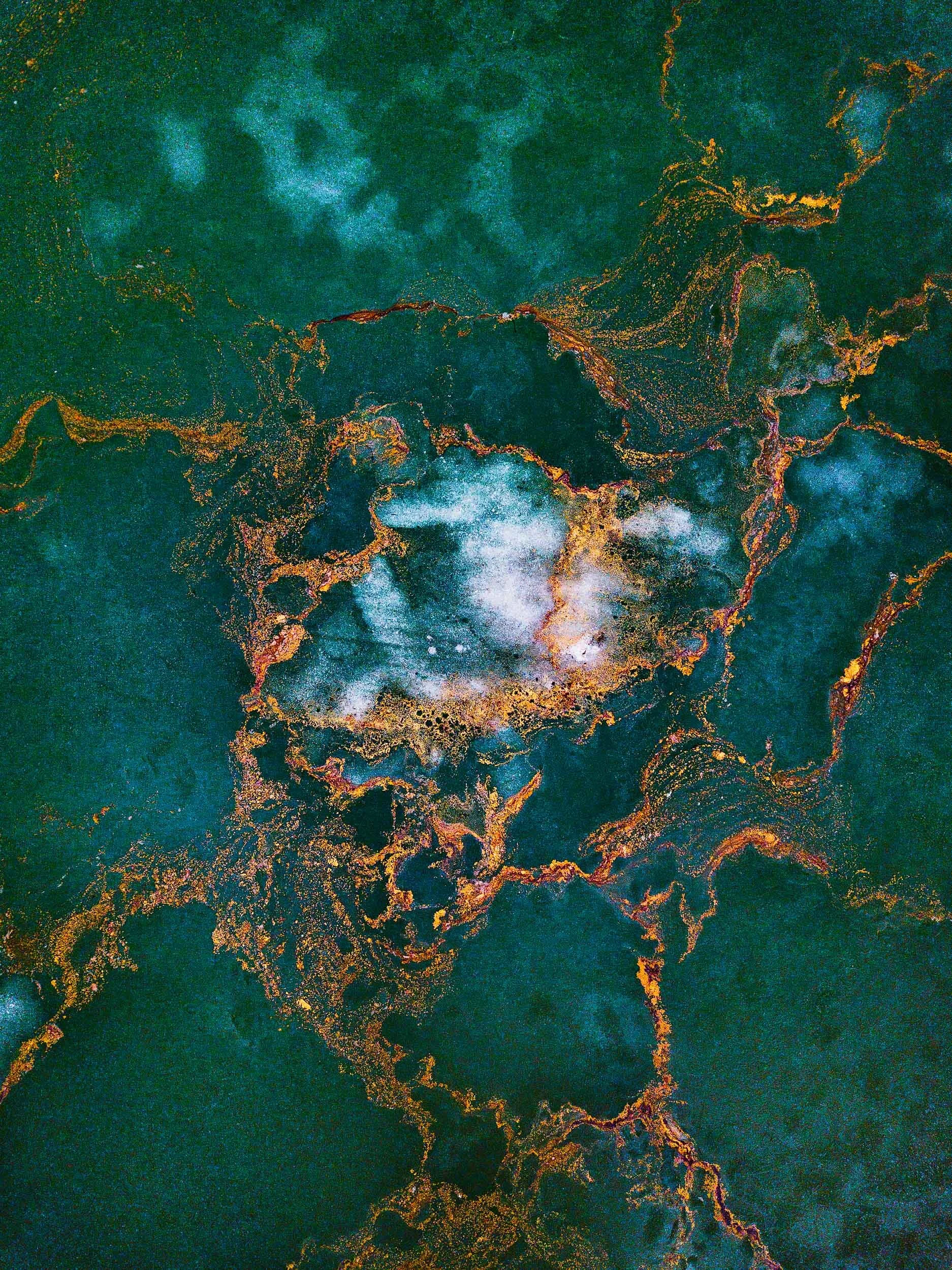
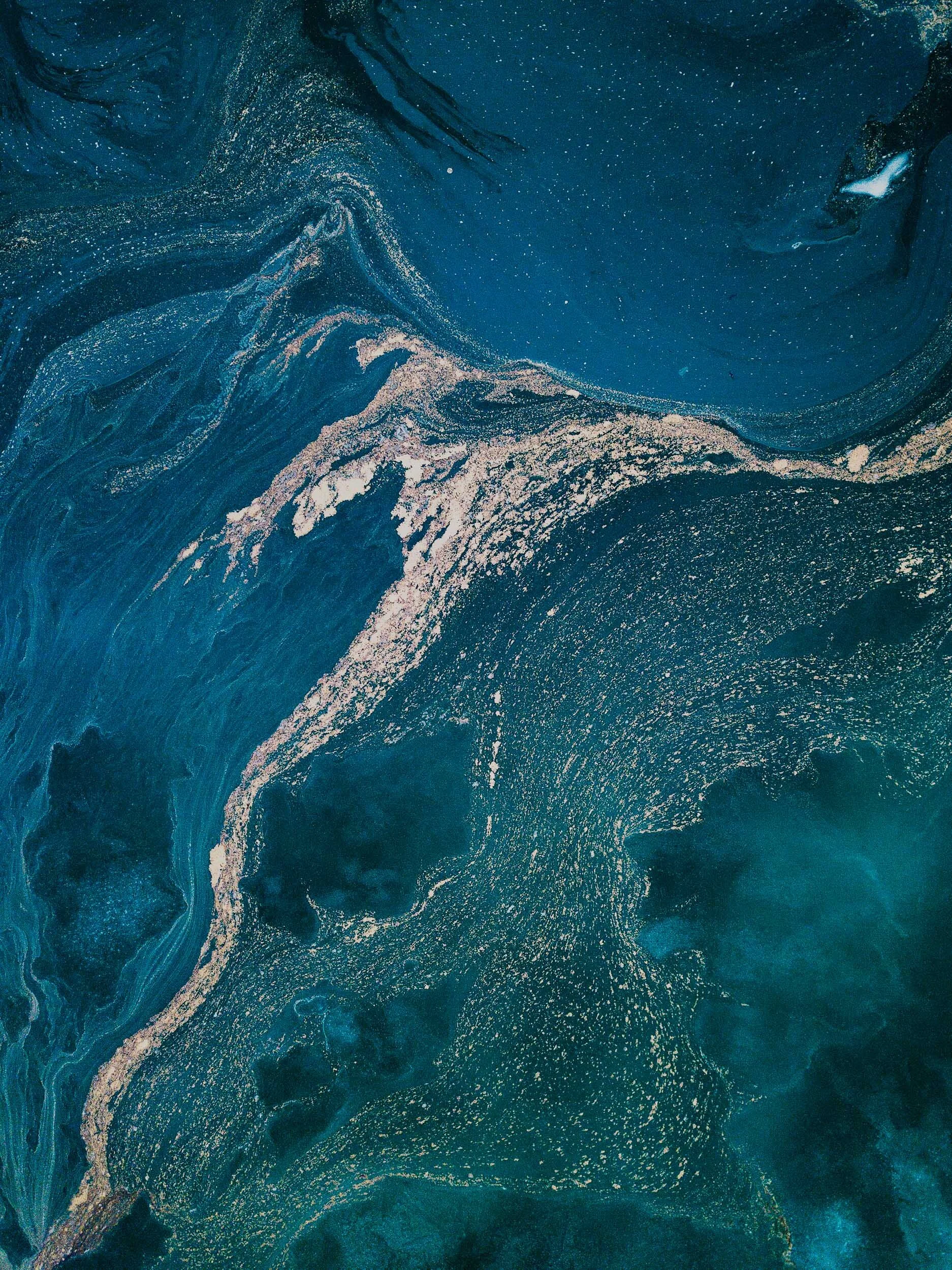
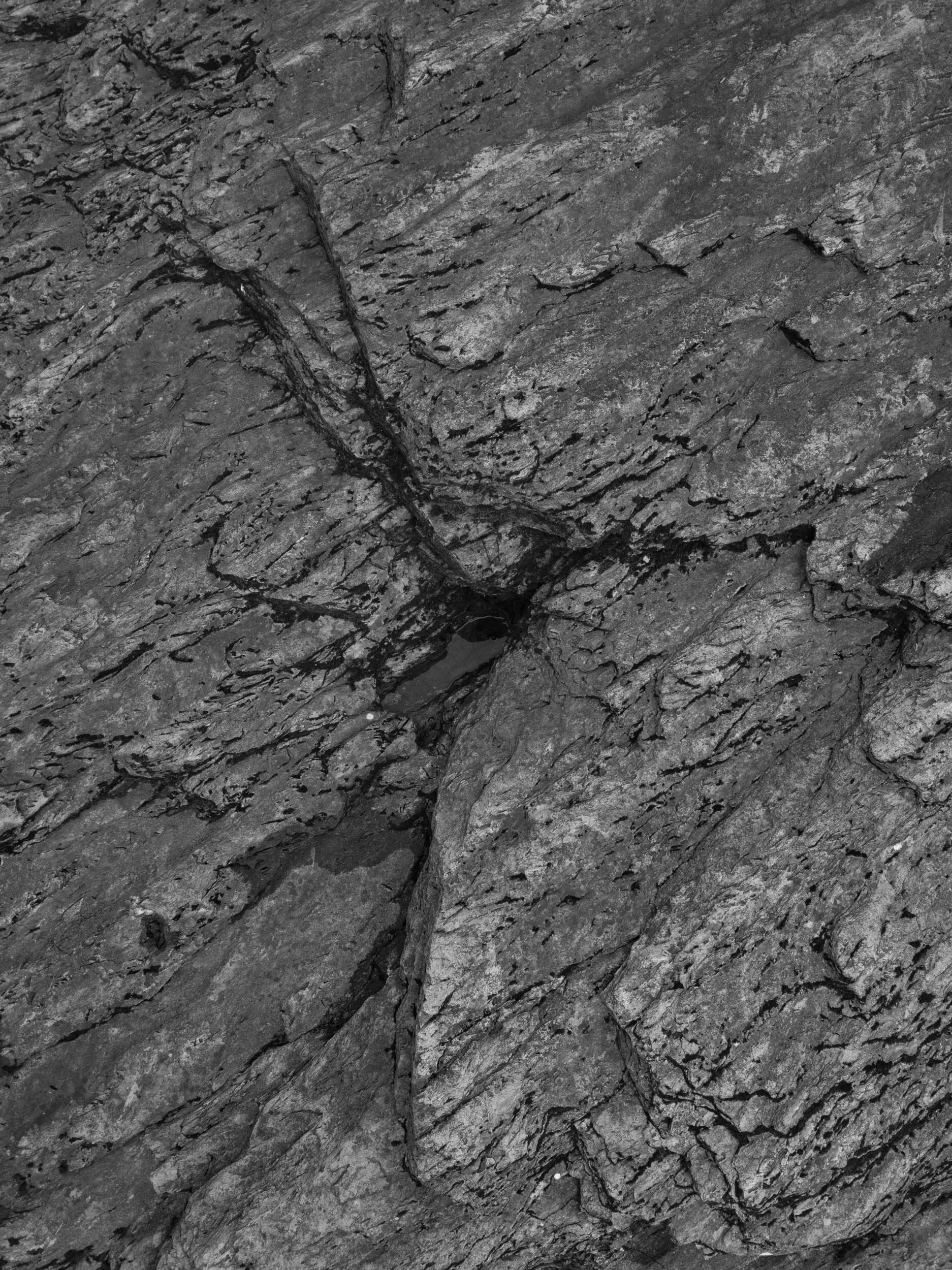
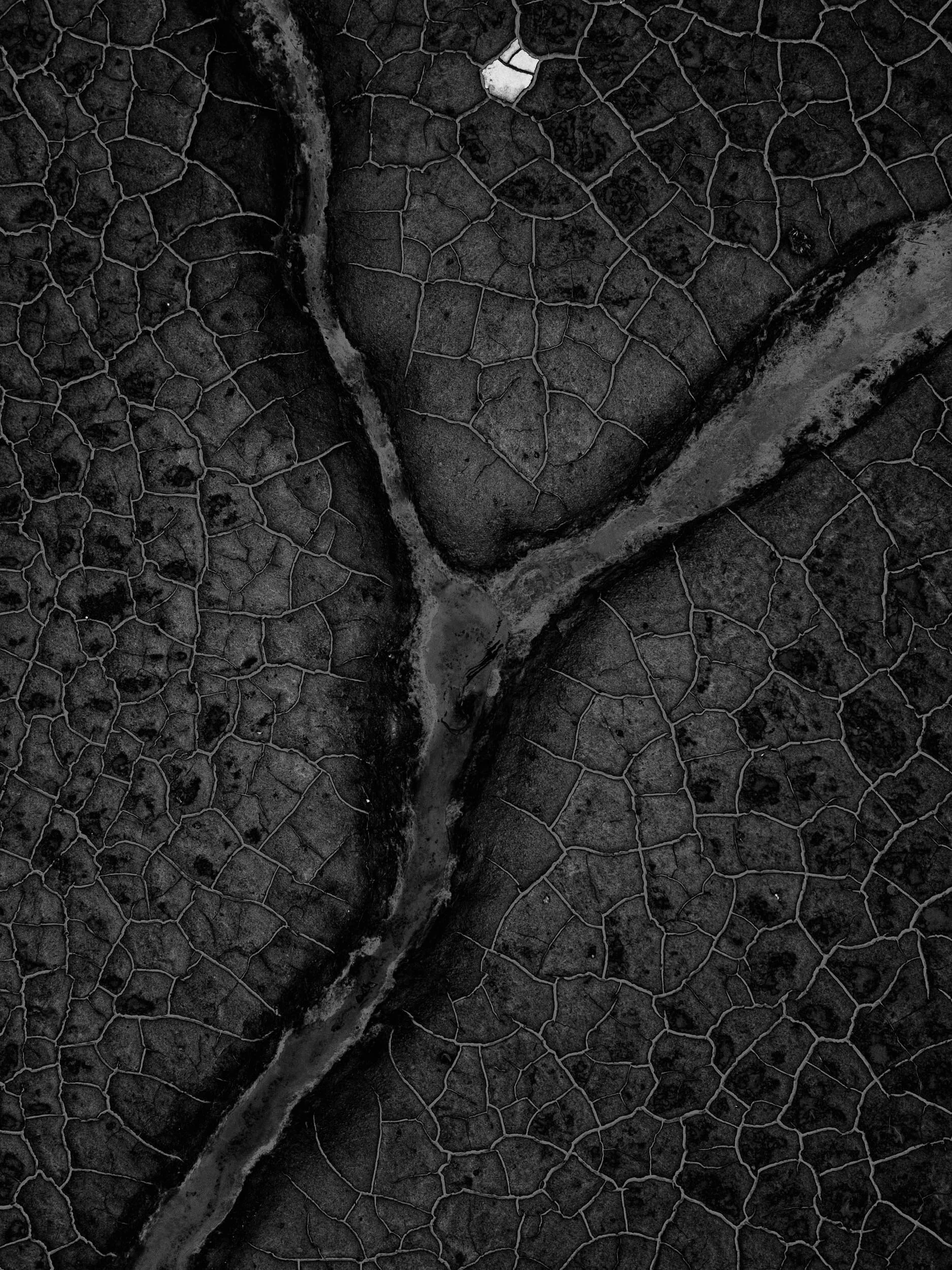
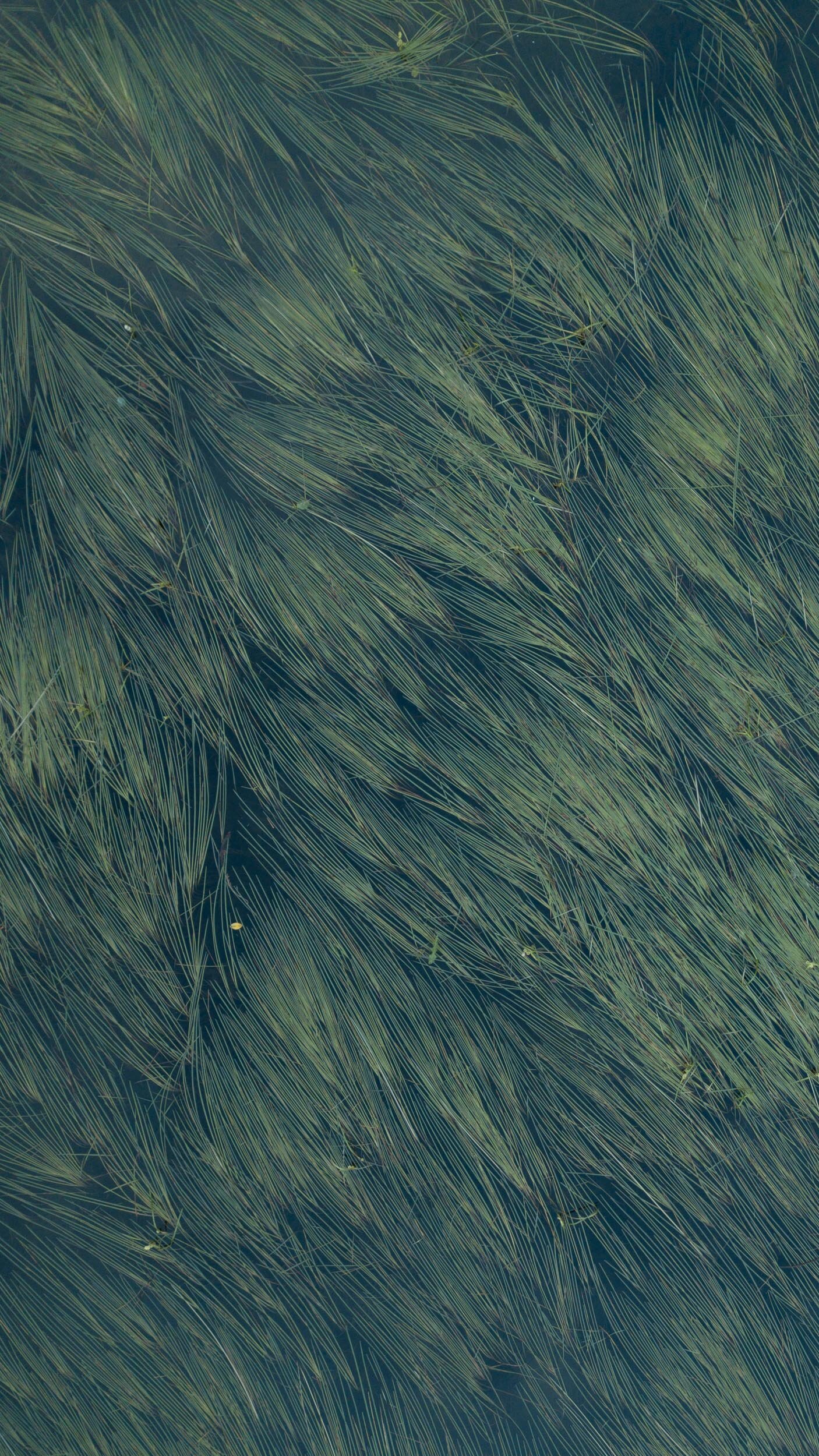
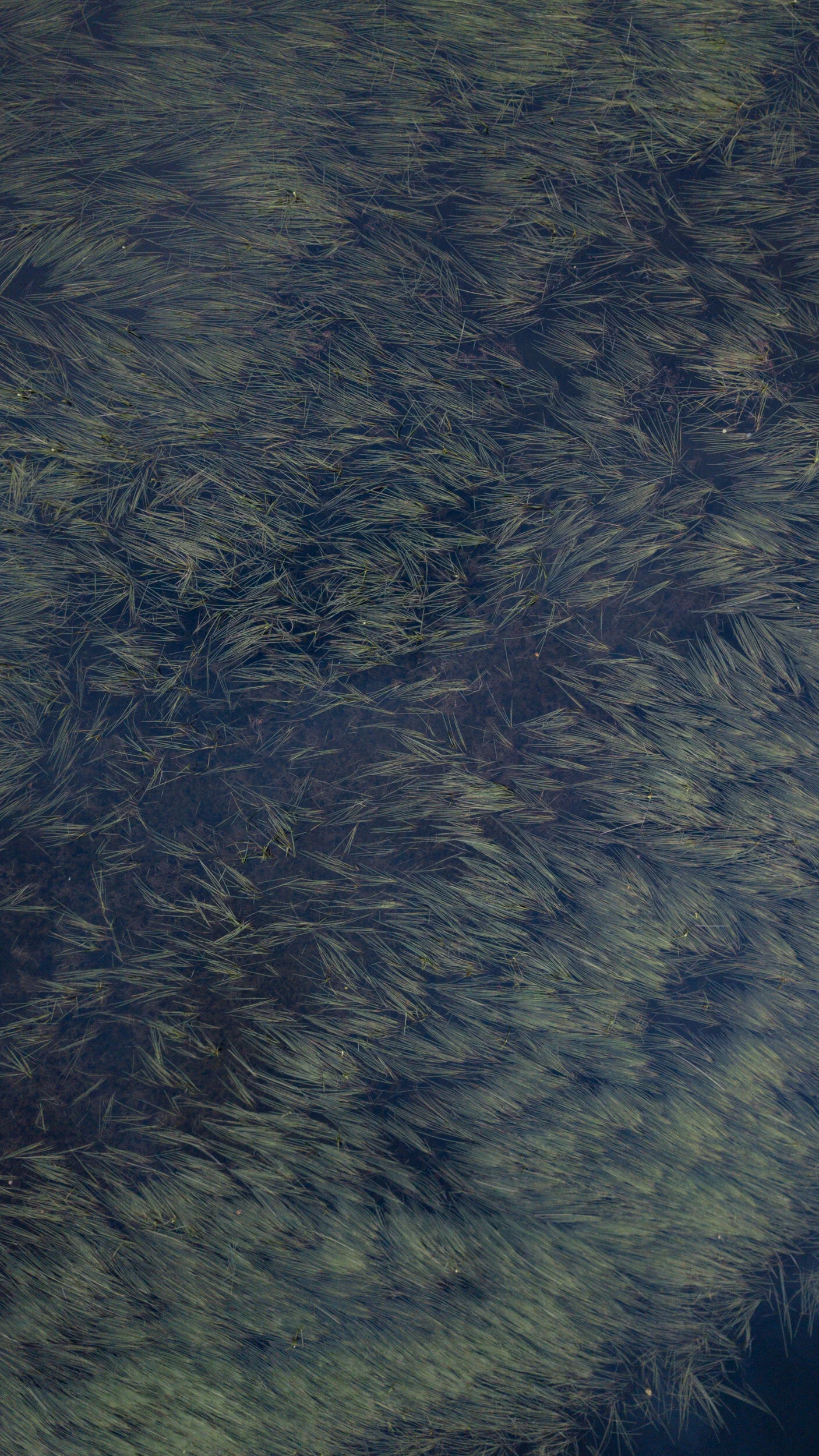
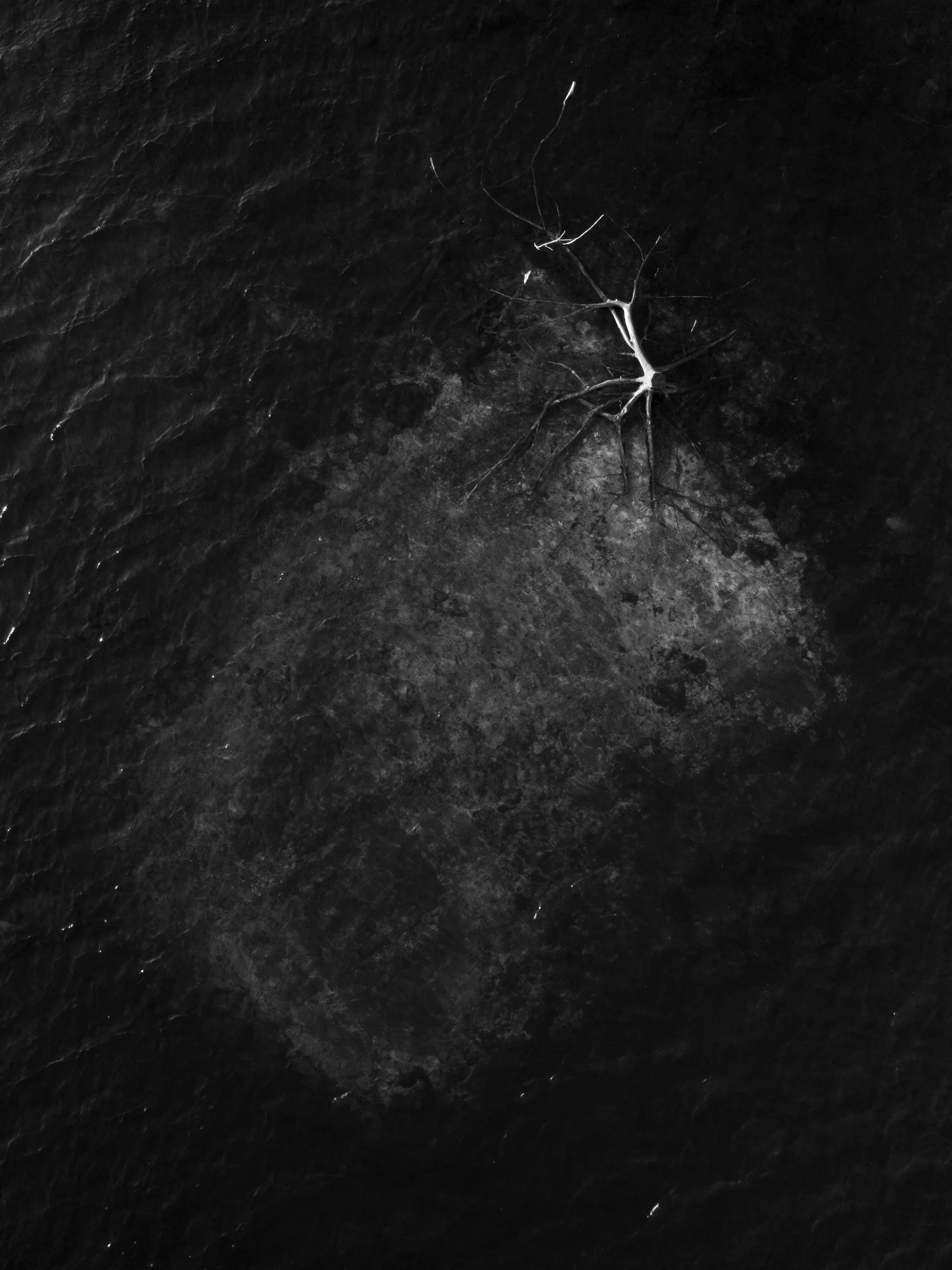
As we build dams and create artificial reservoirs to tame the forces of nature, an entirely new landscape emerges. Where rivers flowed and waterfalls roared, at times all that remains are trickling brooks and dry riverbeds.
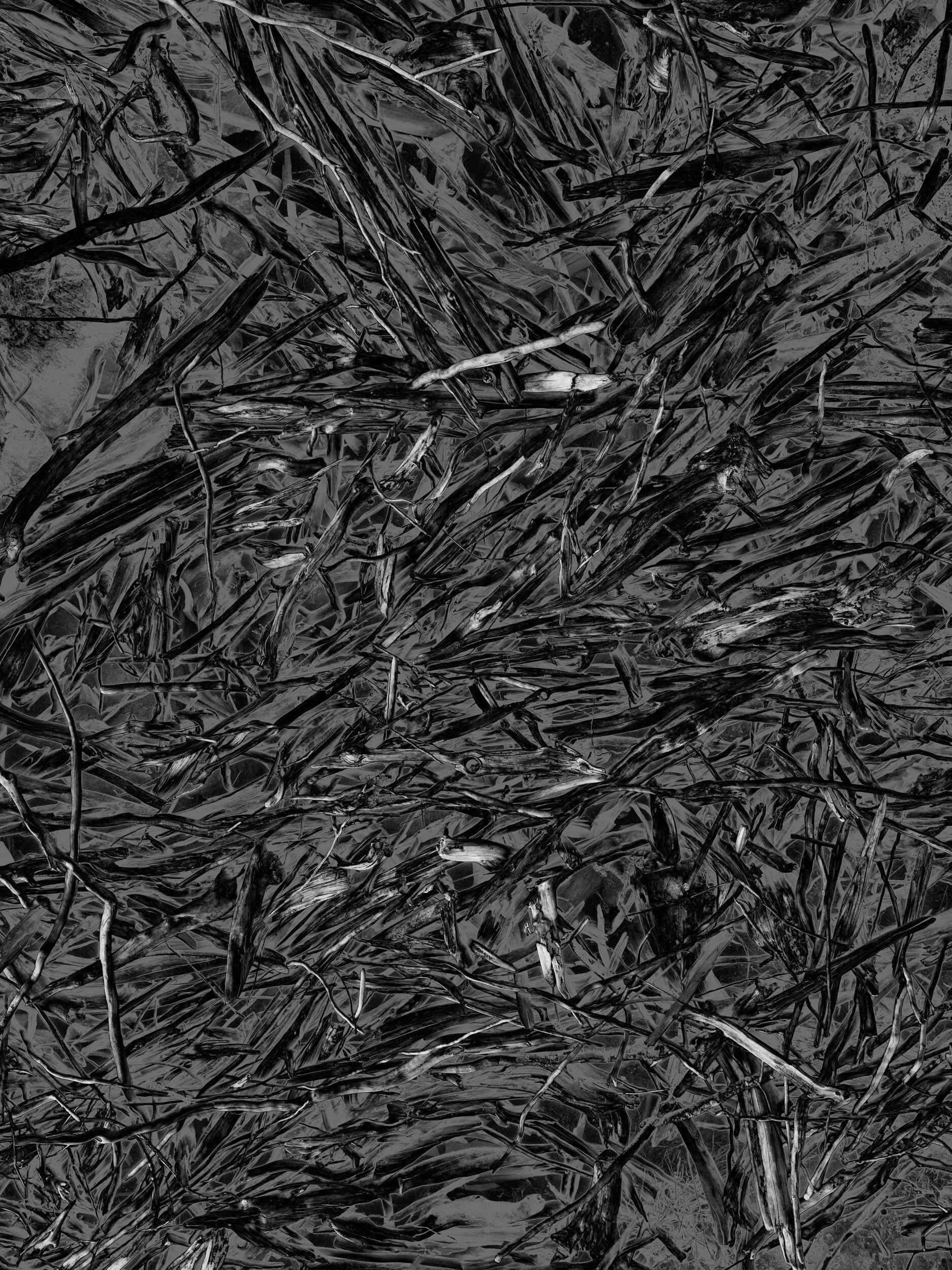
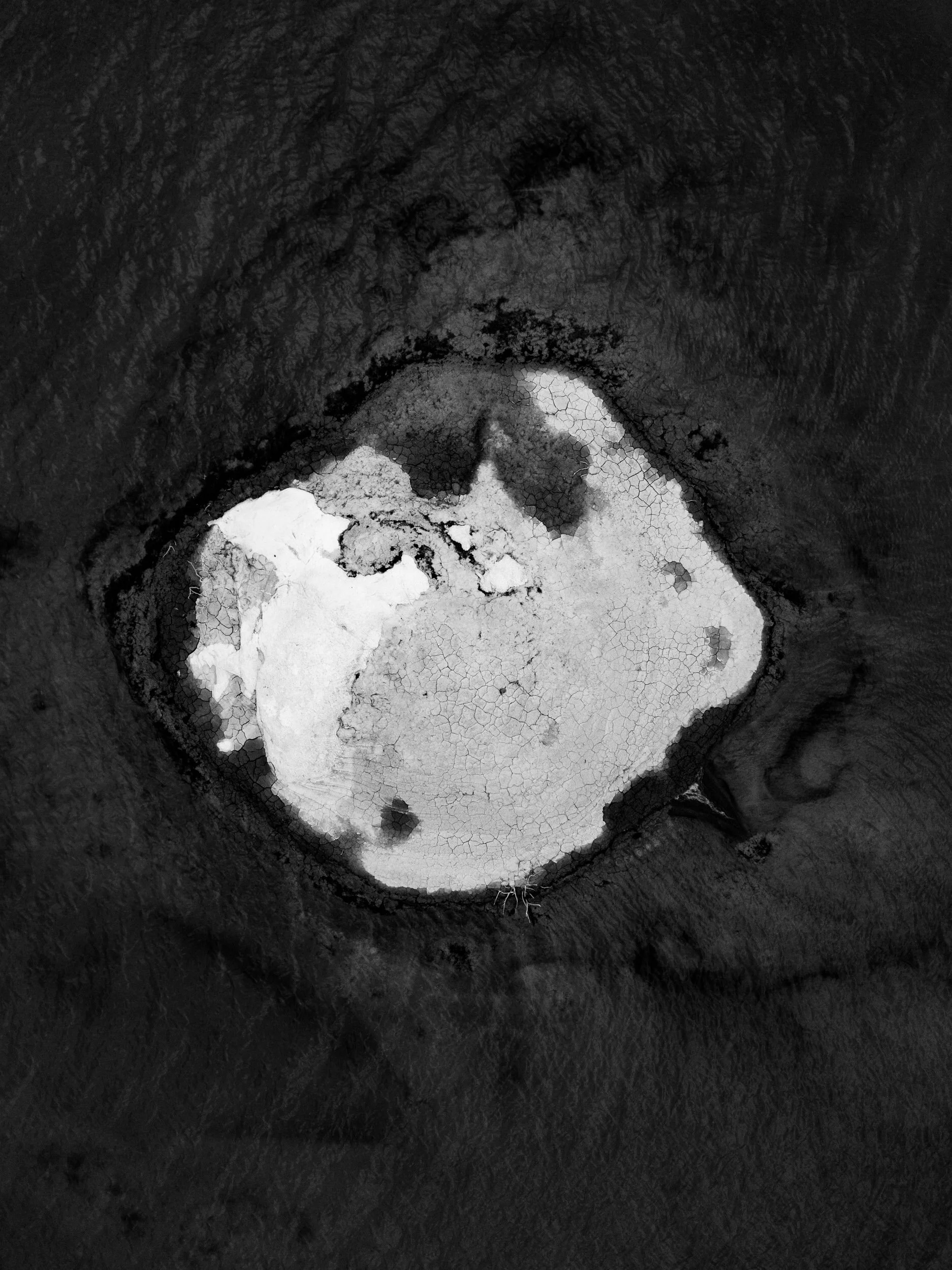
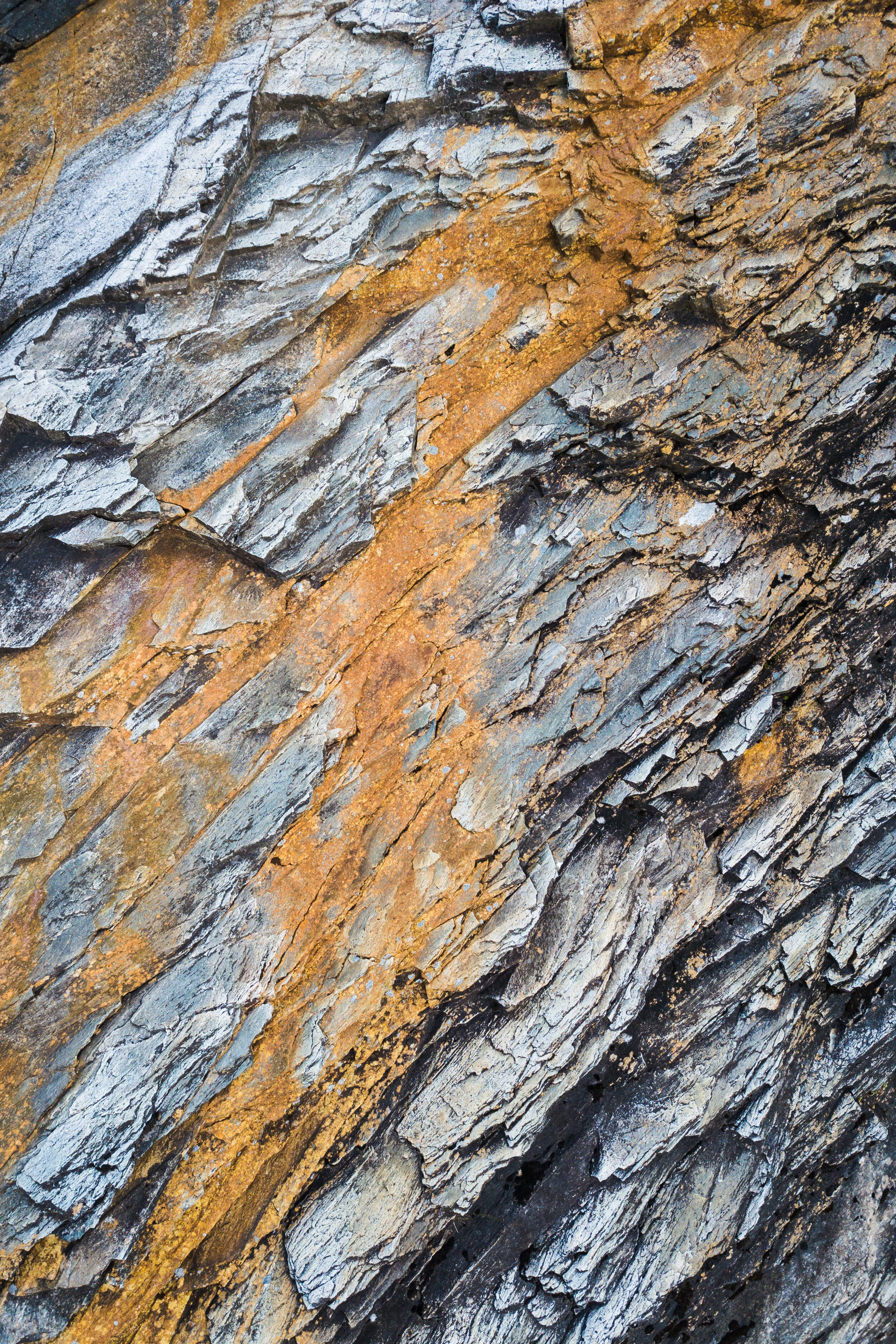
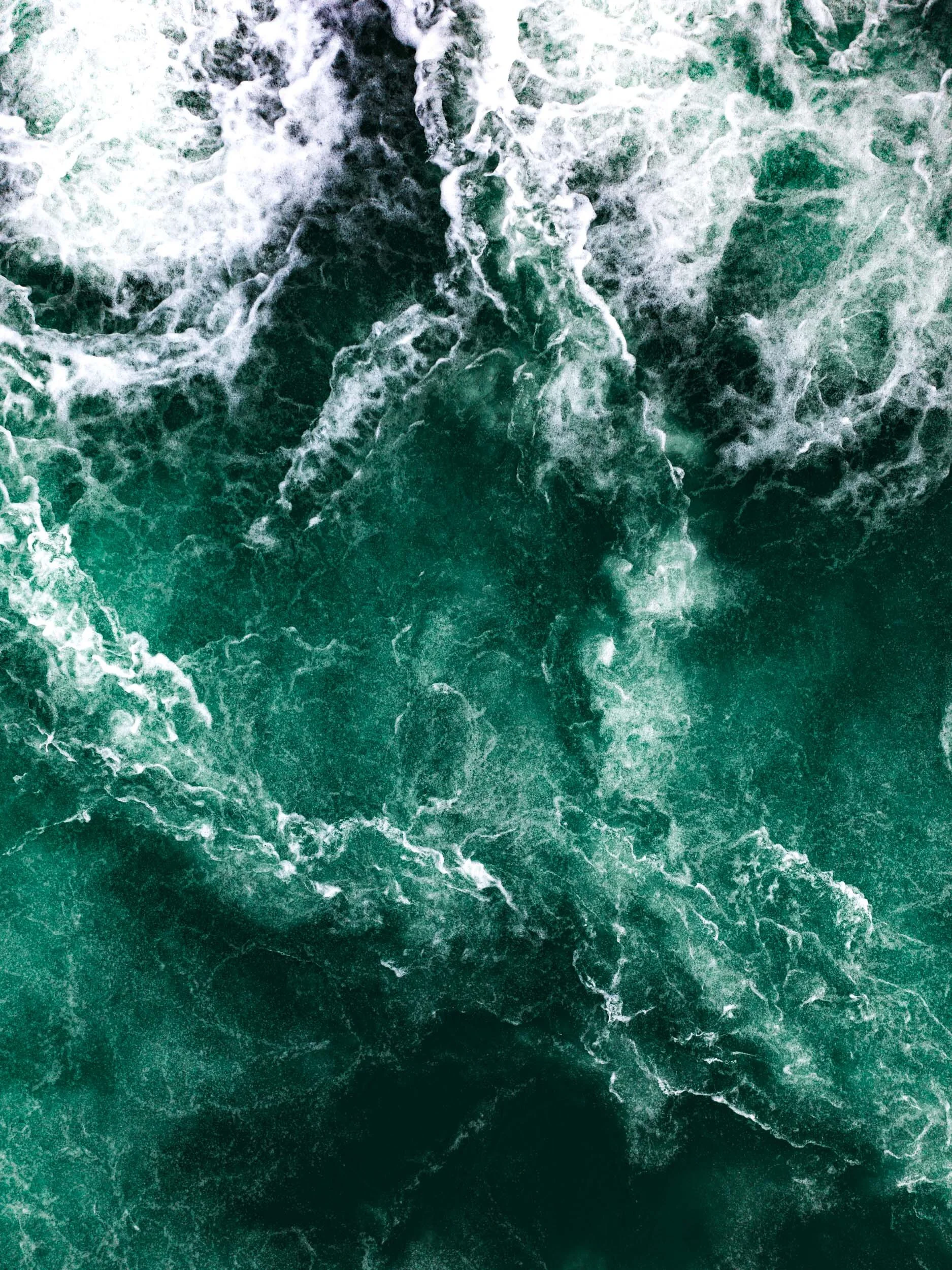
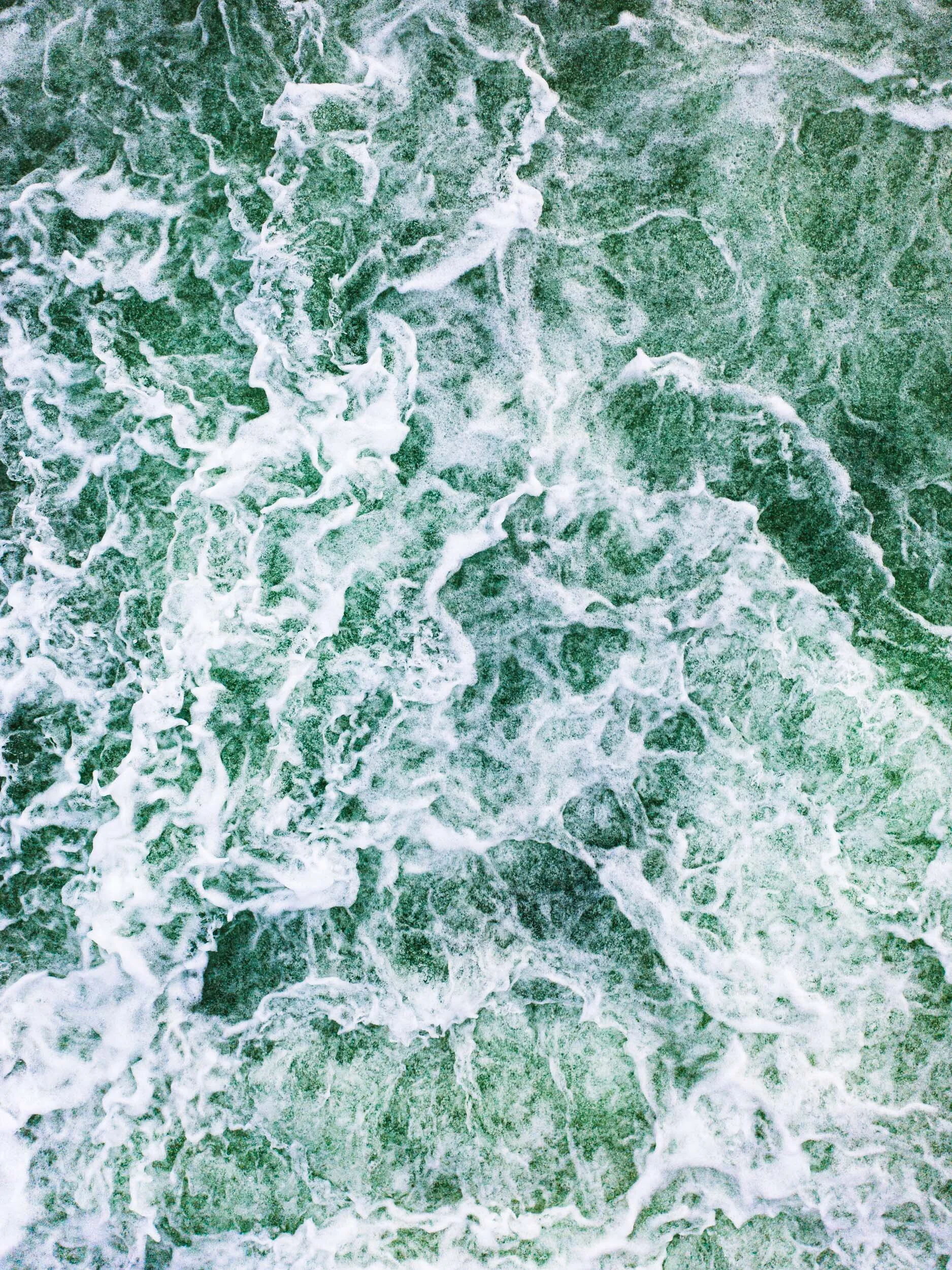
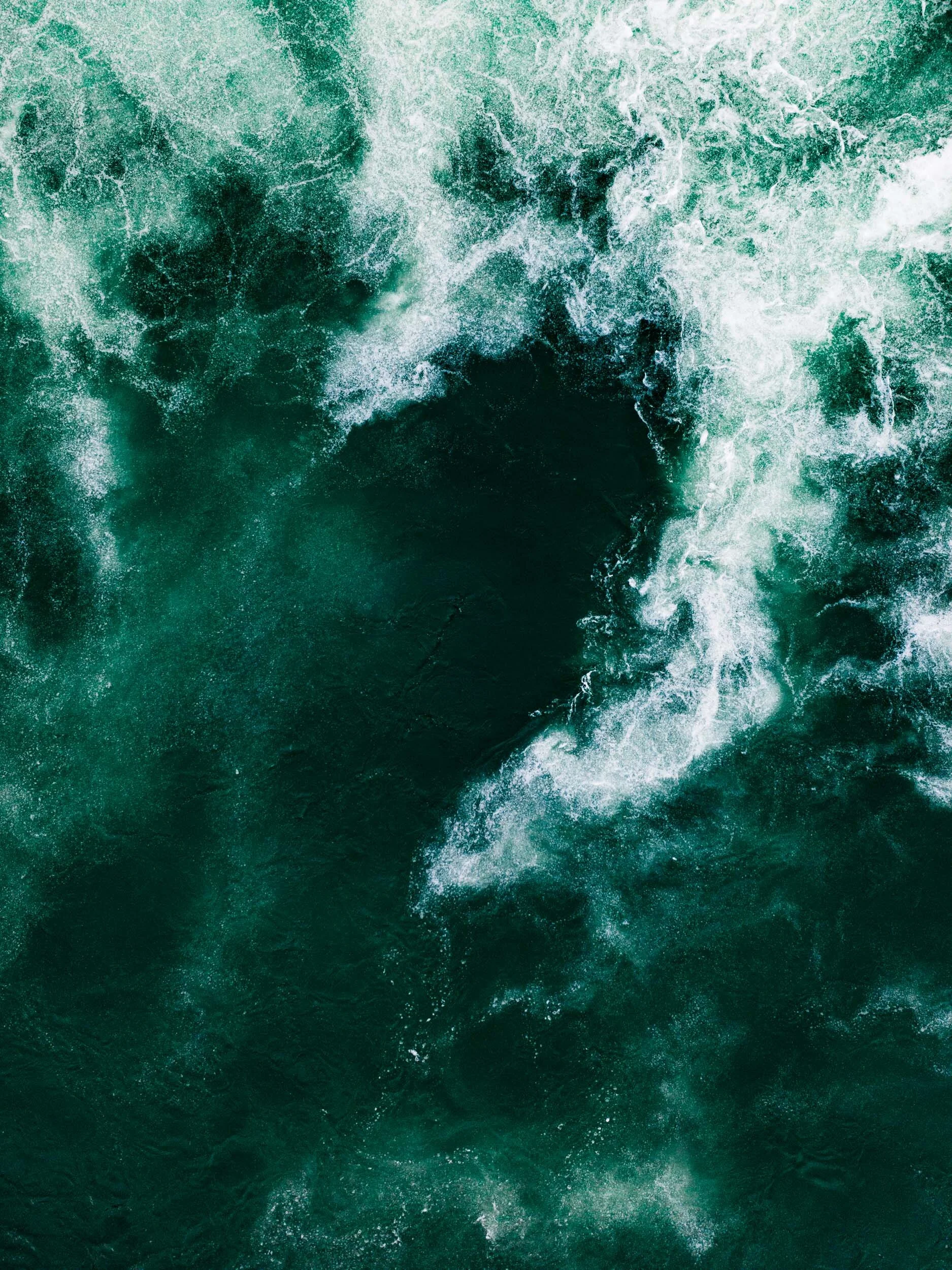
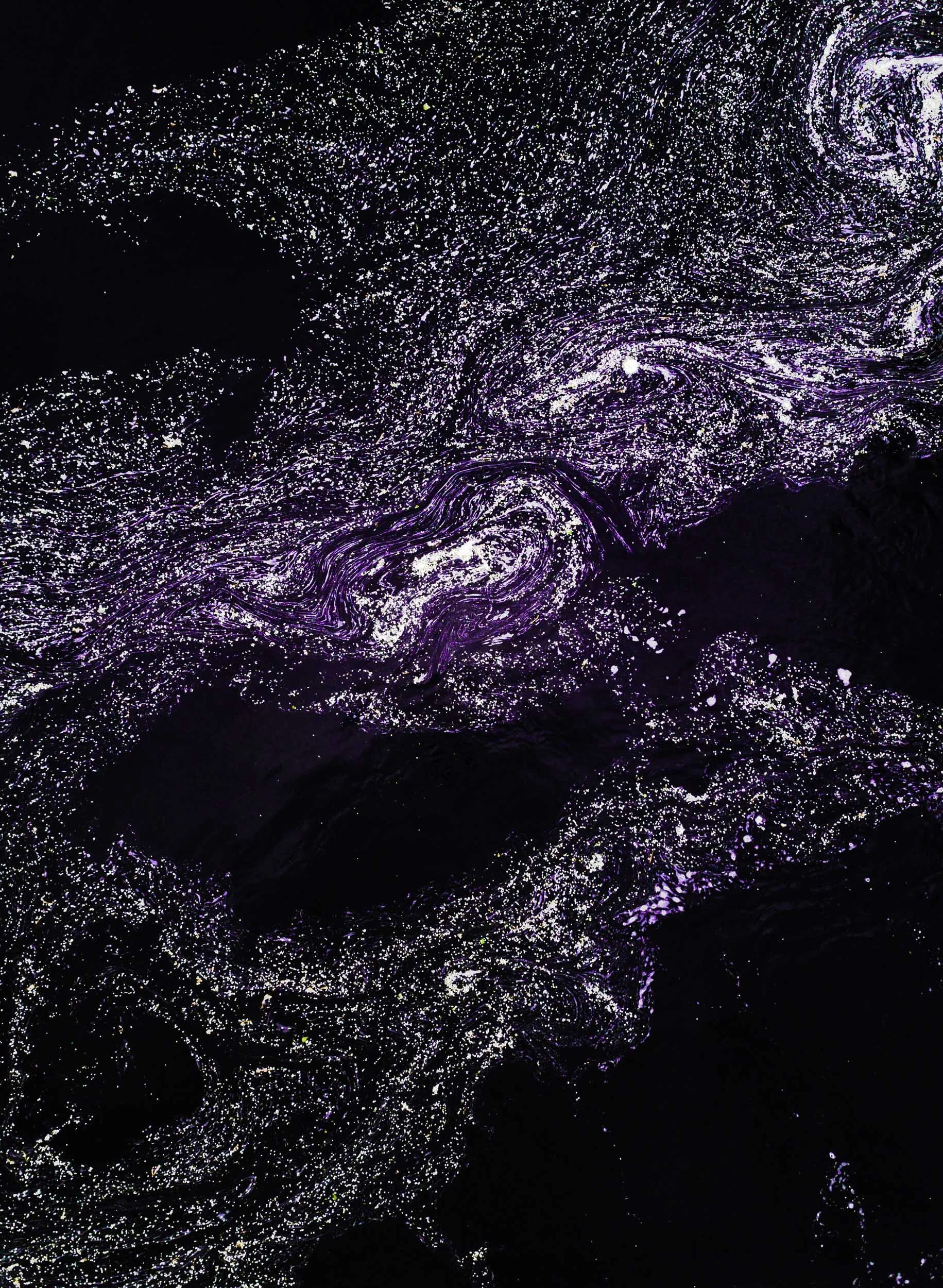
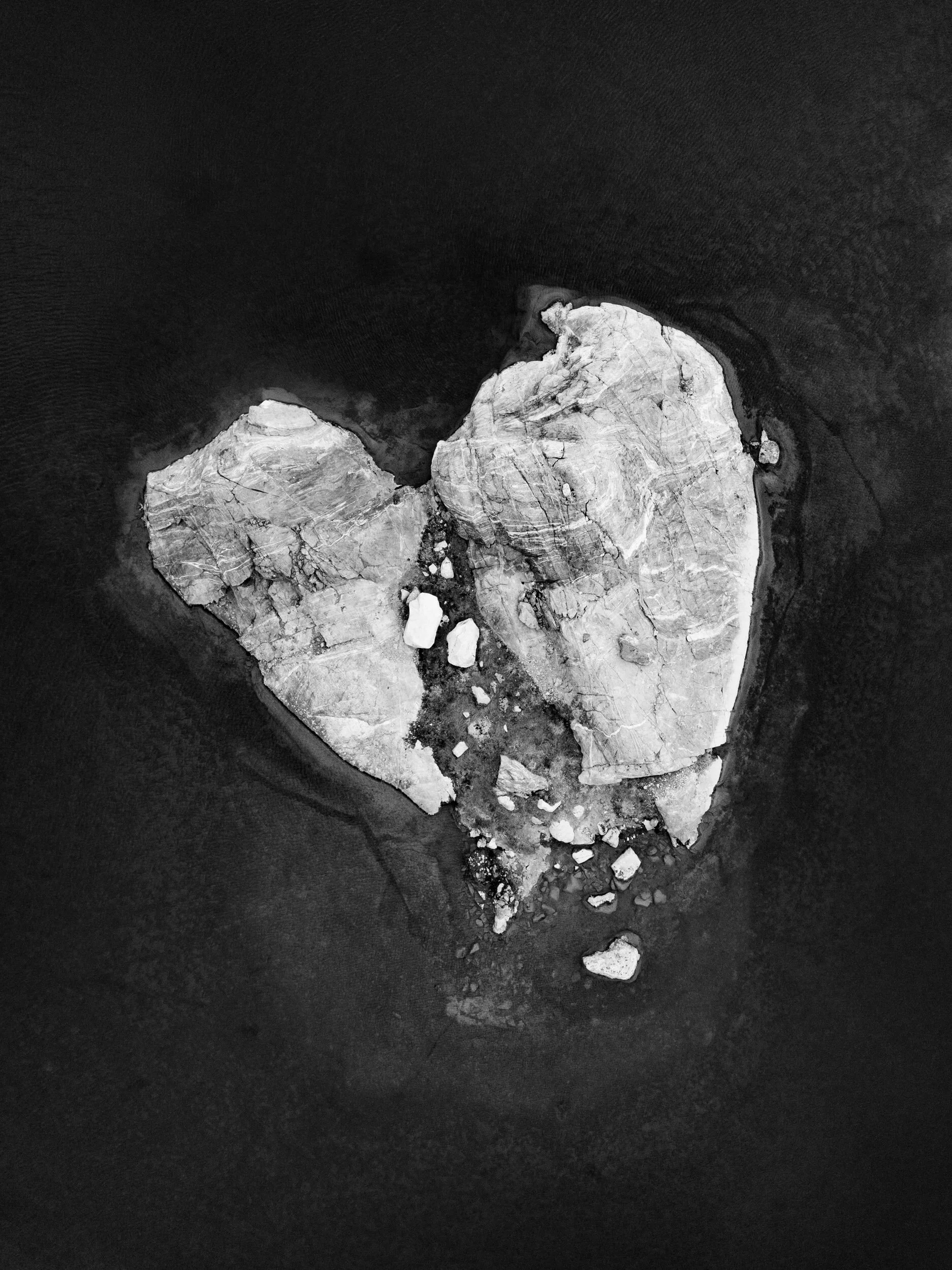
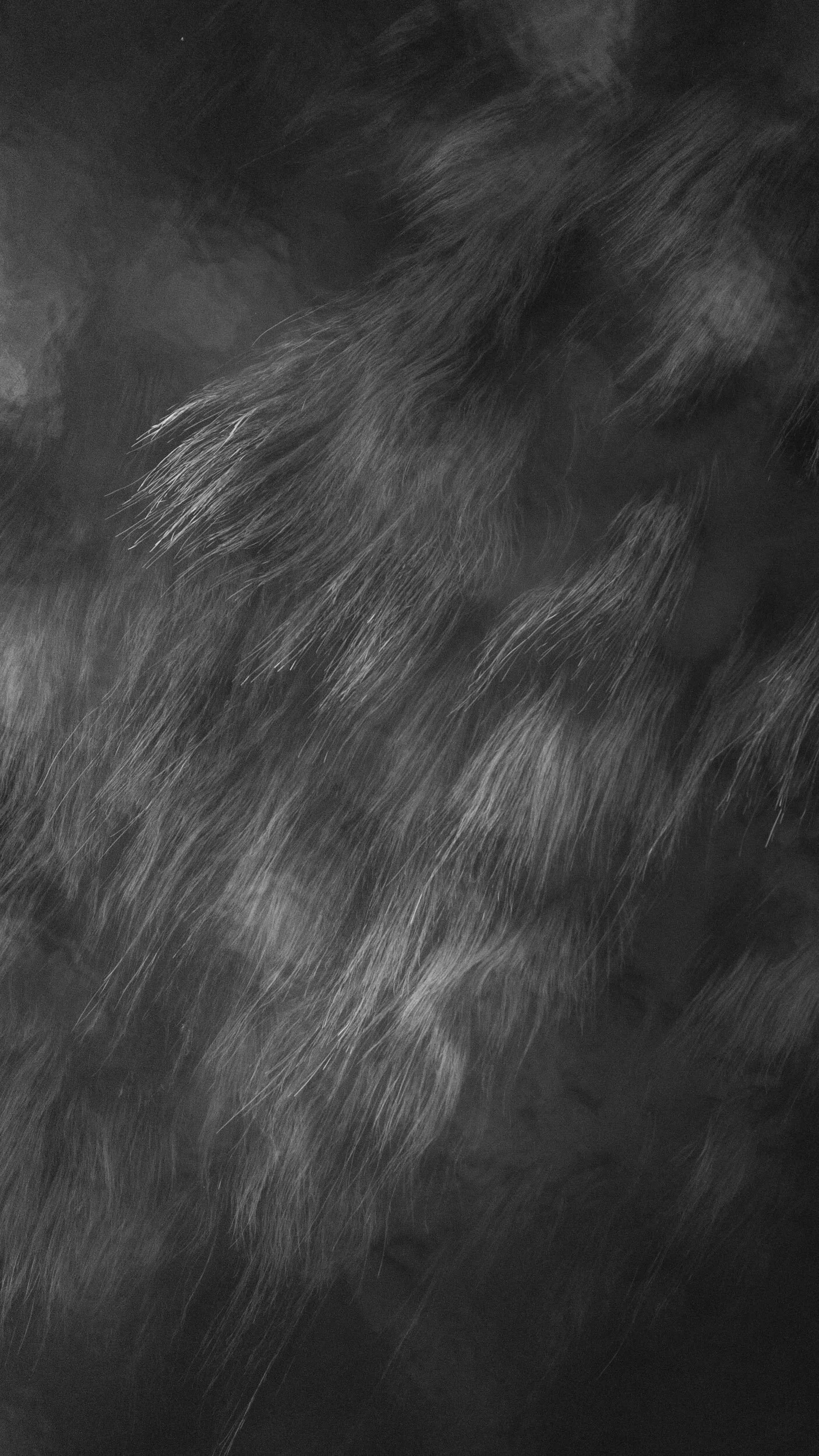
New lakes appear, and the ever-changing regulated tides usher in a landscape that is neither natural nor wholly engineered. Ice, leaves and pollen make their way to center stage. Can the imprint left behind be beautiful? And is beauty even the right question, when the deeper one is whether any imprint can truly be avoided?
Every energy source leaves its mark. Hydropower is held up as one of the “cleanest” options we have, and by many measures it is. But clean is not the same as without consequence.
Our ever-growing hunt for energy is visible across the Norwegian countryside. A thousand reservoirs of varying size are scattered across the land, playing an essential role in balancing production when needed, a key characteristic of hydropower.
This almost instant adaptability is set to become even more important as wind and solar power enter the grid. We are at a crossroads in how we power our world, and the search for renewable energy has never been more urgent.
That urgency makes these landscapes worth looking at slowly. What we gain from them is real. So is what we alter. Edvard Munch once said he did not paint what he saw, but what he had seen, the difference between registering a place and understanding what it did to you. These images try to do something similar with a landscape that is still in the process of becoming something else.